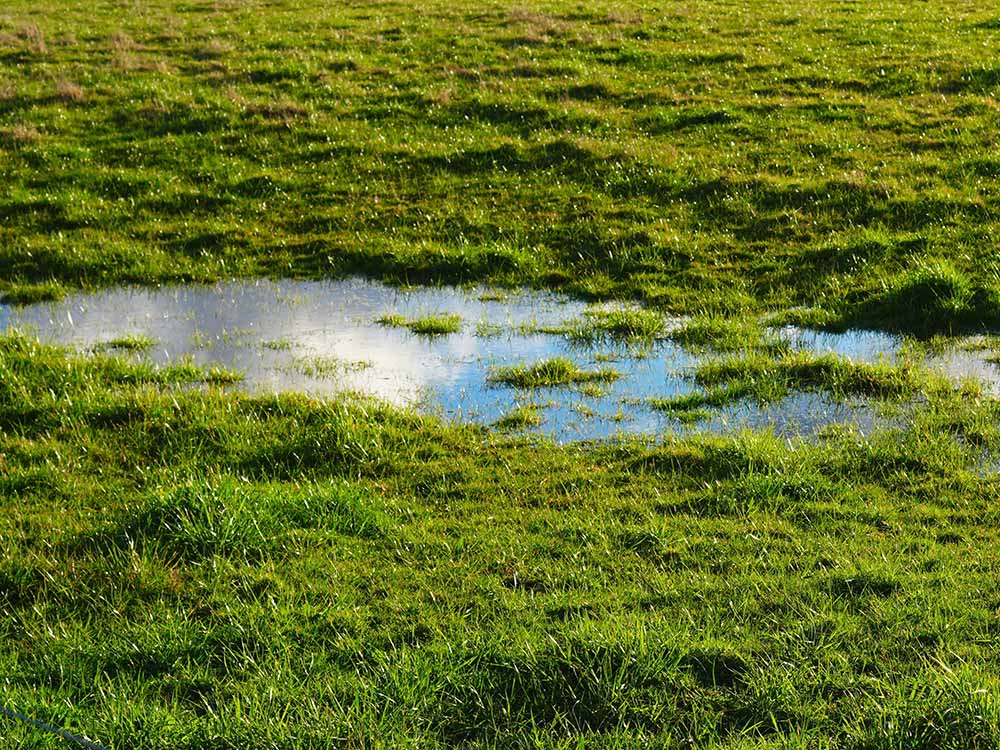
Winter in Somerset often brings plenty of rain, and while a little water in the garden is perfectly normal, persistent puddles and waterlogged areas can quickly become a problem. From muddy lawns and damaged planting to standing water on patios, poor drainage can make your garden difficult to use and leave it looking untidy throughout the colder months.
If your garden struggles to cope with heavy rainfall, you’re certainly not alone. Many homeowners in Taunton and the surrounding areas experience problems with water collecting in low spots, particularly where the ground is compacted or drainage hasn’t been properly considered.
The good news is that there are ways to improve how your garden handles wet weather. From understanding the cause of the problem to investing in professional groundwork, here are some practical tips to help prevent your garden from becoming waterlogged this winter.
1. Understand Why Your Garden Is Becoming Waterlogged
Before deciding how to tackle waterlogging, it’s important to understand what’s causing it. Different gardens have different drainage challenges, so the right solution will depend on your outdoor space.
One common cause is heavy or clay-based soil. Clay soil holds onto water rather than allowing it to drain away quickly. This can leave lawns feeling soft and muddy after rainfall, with puddles forming in areas where water struggles to soak into the ground.
Compacted soil can also contribute to the problem. If the ground has been heavily used, walked over or poorly prepared during previous landscaping work, there may be less space for water to move through the soil.
The shape and layout of your garden can make a difference too. Low-lying areas naturally collect water, while poorly positioned patios and paving can direct rainwater towards the lawn or other parts of the garden.
Identifying the cause is the first step towards finding a lasting solution rather than simply dealing with the same puddles every winter.
2. Improve Drainage Around Your Garden
Good drainage is essential for keeping your garden in a usable condition during the wetter months. If water regularly collects in the same areas, it may be worth looking at ways to improve how it drains away.
Depending on the garden and the underlying ground conditions, possible solutions include improving the soil structure, creating suitable drainage channels or installing a dedicated drainage system.
For some gardens, a French drain may be an option. This typically involves a gravel-filled trench containing a perforated pipe that helps collect and redirect excess water. However, the right design and discharge point need to be carefully considered to make sure water is taken somewhere suitable.
It’s important not to assume that adding a drain will automatically solve the problem. The ground conditions, levels and direction of water flow all need to be assessed first.
If your garden regularly suffers from standing water, professional advice can help identify the most appropriate drainage solution for your property.
3. Protect Your Lawn from Waterlogging
A waterlogged lawn can quickly become one of the biggest frustrations during winter. When the ground is saturated, grass can become weak, muddy patches develop and walking across the lawn can cause further damage.
One of the best things you can do is avoid putting unnecessary pressure on the grass when the ground is particularly wet. Walking over saturated lawns can compact the soil further, making it even harder for water to drain away.
Try to keep foot traffic to a minimum during prolonged wet weather, particularly in areas that already struggle with drainage. If you have children or pets, creating a more durable route through the garden can help prevent the same muddy patches from developing every winter.
For lawns that suffer from recurring problems, it may be worth considering whether the ground needs improving or whether a different surface would be more practical.
Artificial grass can be a useful option for homeowners looking for a lower-maintenance outdoor space. When installed correctly, with suitable excavation, a well-prepared sub-base and appropriate drainage, it can provide a practical alternative to a natural lawn. However, it is important to remember that artificial grass alone will not fix an underlying drainage problem.
At DH Landscapes, we’re Diamond Artificial Grass Approved Installers and can help homeowners explore suitable options for their gardens.
4. Check Your Patio and Paved Areas
Waterlogging doesn’t just affect lawns. Poorly designed or installed patios can also suffer from standing water, particularly where the surface doesn’t have the correct falls to allow rainwater to run away.
If you regularly notice puddles forming on your patio, it could be a sign that the paving has been laid without adequate drainage or that the existing levels aren’t directing water correctly.
A properly installed patio should be designed with suitable gradients and drainage in mind. This helps prevent water from sitting on the surface and reduces the risk of your outdoor space becoming slippery and difficult to use.
It’s also worth checking that existing drainage channels and gullies are clear of leaves and debris. During autumn and winter, fallen leaves can quickly block drainage points and prevent water from flowing away as it should.
Whether you’re planning a new porcelain patio or looking to improve an existing paved area, good preparation and installation are essential for achieving a long-lasting result.
5. Why Good Groundwork Makes All the Difference
One of the most important factors in preventing a waterlogged garden is getting the groundwork right.
It’s easy to focus on the visible parts of a landscaping project, such as the paving, artificial grass or finished borders. However, what happens underneath the surface is just as important.
Proper ground preparation helps create a stable foundation and allows different areas of the garden to perform as they should. This may involve removing unsuitable material, excavating to the correct depth, preparing a suitable sub-base and considering how surface water will be managed.
For example, artificial grass needs a properly prepared base to provide a stable, even finish. Patios also require suitable foundations and carefully considered levels to help prevent movement and standing water.
If groundwork is rushed or carried out incorrectly, problems can develop later. Uneven surfaces, poor drainage and areas that hold water can all affect how well your garden performs.
At DH Landscapes, we believe that good preparation is essential to any successful landscaping project. Taking the time to get the foundations right can help prevent avoidable problems and give you an outdoor space that lasts.
6. Consider Whether Your Garden Layout Needs Improving
Sometimes, waterlogging is a sign that your garden layout simply isn’t working as well as it could.
If the same areas become saturated every winter, it may be worth considering a more practical design. This could involve creating defined paved areas, adjusting the layout of your lawn or introducing features that help manage water more effectively.
For example, a well-positioned patio can provide a more reliable space for outdoor seating, while suitable planting beds can add interest and help improve the overall layout. In some gardens, permeable surfaces or carefully designed drainage features may also form part of the solution.
The important thing is to look at the garden as a whole. Rather than treating each puddle as a separate problem, consider how the levels, surfaces and drainage work together.
A professional landscaping assessment can help you understand which improvements are likely to make the biggest difference.
7. Don’t Wait Until Spring to Address Drainage Problems
Although winter is often when drainage problems become most noticeable, it’s worth thinking about them before the warmer weather arrives.
If you leave persistent waterlogging untreated, you may find yourself dealing with damaged lawns, muddy areas and surfaces that are difficult to use for several months.
Winter is a useful time to assess what isn’t working in your garden and start planning improvements. Some groundwork and landscaping projects may be possible during suitable weather conditions, while others may need to wait until the ground is drier.
Planning ahead also gives you time to consider the right materials, layout and drainage requirements rather than making rushed decisions when spring arrives.
Improve Your Garden Drainage with DH Landscapes
A waterlogged garden can make winter frustrating, but it doesn’t have to be something you put up with year after year. With the right drainage, careful ground preparation and a practical garden layout, you can create an outdoor space that is better equipped to cope with the wet Somerset weather.
Whether you’re experiencing persistent puddles, a muddy lawn or problems with your patio, identifying the cause is the best place to start.
At DH Landscapes, we have over 15 years of experience helping homeowners in Taunton and across Somerset transform their outdoor spaces. From artificial grass and patios to fencing and complete garden landscaping, we understand the importance of getting the preparation right from the beginning.
With more than 30 five-star reviews and approved installer status with Jacksons Fencing and Diamond Artificial Grass, you can feel confident that your project is in experienced hands.
If your garden is struggling with waterlogging this winter, get in touch with DH Landscapes today. We’d be happy to discuss your ideas, offer practical advice and provide a free, no-obligation quote.